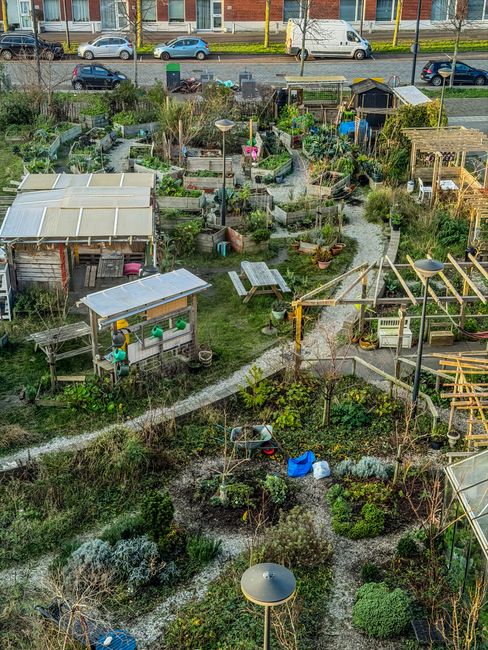
Common problems gardeners face on riverside plots in Silvertown
Riverside gardens can be beautiful, but they are rarely easy. In Silvertown, plots near the water often have their own set of headaches: heavier soil, stronger winds, occasional waterlogging, salt-laden air, and plants that seem to sulk for no clear reason. If you have ever looked out at a patch that was thriving one week and then patchy, soggy, or shredded the next, you are in familiar company.
This guide looks closely at the common problems gardeners face on riverside plots in Silvertown, why they happen, and what practical steps actually help. We will keep it grounded, local, and useful. No fluff. Just the things that matter when you are trying to grow something decent beside the river and, let's face it, keep it alive through a windy Tuesday in February.
Whether you are planning a new planting scheme, dealing with an established garden that keeps struggling, or considering professional help, this article will walk you through the real issues and the sensible fixes. Along the way, you will also find useful internal resources such as practical weather protection tips and ideas for making a garden more wind-resistant.
Table of Contents
- Why Common problems gardeners face on riverside plots in Silvertown Matters
- How Common problems gardeners face on riverside plots in Silvertown Works
- Key Benefits and Practical Advantages
- Who This Is For and When It Makes Sense
- Step-by-Step Guidance
- Expert Tips for Better Results
- Common Mistakes to Avoid
- Tools, Resources and Recommendations
- Law, Compliance, Standards, or Best Practice
- Options, Methods, or Comparison Table
- Case Study or Real-World Example
- Practical Checklist
- Conclusion
- Frequently Asked Questions
Why Common problems gardeners face on riverside plots in Silvertown Matters
Riverside plots do not behave like ordinary back gardens. The river changes the environment in subtle ways. Soil can stay damp for longer. Frost may linger in low-lying corners. Wind moves more freely across open space. Pollinators may still visit, of course, but some plants will never settle unless you choose them carefully.
For Silvertown homeowners and tenants, this matters because a garden is often expected to do several jobs at once. It needs to look good, provide privacy, cope with children or pets, and not become a muddy afterthought every time the weather shifts. A garden that is badly matched to a riverside site can quickly become expensive to maintain and frustrating to use.
There is also the practical side. Poor drainage, unstable edges, and overgrown boundaries can affect access, safety, and the lifespan of paths, decking, fencing, and planting beds. If you are renovating the space, it makes sense to think about the setting first, not last. A tidy lawn is one thing; a lawn that survives beside a breezy river frontage is another entirely.
That is why understanding these problems early is so valuable. It helps you make better choices on planting, materials, and maintenance. It also makes it easier to decide when a more comprehensive service such as garden maintenance, landscaping, or lawn care might be the smarter route.
How Common problems gardeners face on riverside plots in Silvertown Works
The short version? Water and wind shape almost everything.
On riverside plots, moisture often lingers in the soil for longer than gardeners expect. That can be good in dry spells, but too much moisture can suffocate roots, encourage fungal trouble, and make ground work awkward. The soil structure itself may also be uneven: one patch drains too fast, another turns sticky, and a third seems to hold water like a dish. You may notice this after a heavy shower, when puddles appear in the same place again and again.
Wind is the other big factor. It dries out leaves, bends stems, snaps soft growth, and can make delicate plants look permanently tired. In exposed spots, even a well-watered bed can dry out quickly at the surface while remaining waterlogged lower down. That mix confuses a lot of gardeners. Truth be told, it confuses a few seasoned ones too.
Then there is pressure from everyday use. Riverside plots are often compact, visually open, or set against hard boundaries. That can mean less shelter, more foot traffic, and a stronger push to use vertical space wisely. Choosing the right structure matters. A hedge, for example, can provide shelter and privacy, while a badly placed one can block light or become a maintenance burden. For ideas on screening and structure, see how speedy hedges can create a private oasis and the art of hedge trimming in attractive landscapes.
Put simply, riverside gardening is not about fighting nature. It is about working with a site that has a very particular rhythm.
Key Benefits and Practical Advantages
Once you understand the quirks of a riverside plot, the upside is real. These gardens can be lush, atmospheric, and full of character. You just need the right approach.
- Better plant survival: Matching plants to wind, damp, and light conditions reduces constant replanting.
- Lower maintenance: A design that suits the site usually needs less rescue work later.
- Improved privacy: Smart screening can shield the plot without making it feel boxed in.
- Healthier soil: Good drainage and organic matter help roots establish properly.
- Safer boundaries: Stable fences, trimmed hedges, and clear paths are easier to manage on exposed sites.
- More usable space: Containers, raised beds, and vertical features make awkward plots work harder.
There is also a quieter benefit: confidence. Once you stop blaming yourself for every setback and start reading the site correctly, the whole garden feels easier. You notice patterns. You stop overwatering. You prune differently. You choose fewer, better plants. It becomes a calmer kind of gardening.
Expert summary: Riverside plots in Silvertown usually succeed when drainage, shelter, and planting choice are treated as the main design problems, not side issues.
Who This Is For and When It Makes Sense
This guide is for anyone managing a garden near the river in Silvertown, especially if you have already run into one or more of these familiar situations:
- plants collapsing after wet weather
- patches of lawn that never properly dry out
- soil that feels compacted or sticky
- leaf scorch or wind damage on exposed plants
- ivy, weeds, or self-seeded growth taking over
- fencing, decking, or paths that need weather-conscious planning
- a garden that looks fine in summer but falls apart by autumn
It also makes sense if you are starting from scratch and want to avoid expensive mistakes. The earlier you design for the site, the better. A new owner might think the issue is poor gardening technique when, in reality, the plot itself is simply asking for a different plan.
If you are deciding between a few service options, keep it practical. A single clearance, a tidy-up, or a more involved seasonal plan can all help, depending on the condition of the space. For a broader overview, the pages on gardening services, lawn mowing, and patio cleaning may be useful when the hard landscaping needs attention as much as the planting.
Step-by-Step Guidance
If you are looking at a troublesome riverside garden right now, this is the cleanest way to tackle it.
- Observe the site after rain and after wind. Do not guess. Watch where water collects, which plants get battered, and where the sun actually lands during the day.
- Test the soil texture. Dig a small hole and see whether the soil stays claggy, sandy, or mixed. This tells you more than a guess ever will.
- Map the problem zones. Mark the wettest beds, the most exposed corners, and the shadiest areas. One garden often contains several microclimates.
- Prioritise drainage before planting. If water sits for too long, improve the base first. Raised beds, compost, organic matter, and careful regrading can all help.
- Choose resilient plants. Pick species that tolerate wind, humidity, or part shade. If you want more structure, consider low-maintenance screening or ground cover. The article on ground cover plants for UK gardens is a useful starting point.
- Add shelter in layers. Hedges, fences, climbers, and taller perennials can work together to soften gusts rather than block everything at once.
- Protect the soil surface. Mulch, compost, and well-chosen underplanting help reduce erosion and moisture loss. The piece on using organic waste to improve soil fits neatly here.
- Review after one season. Riverside plots often teach you plenty in the first year. Adjust rather than forcing a fixed plan to work.
One small but useful habit: take a few photos after heavy rain and again on a bright, windy afternoon. Patterns jump out fast when you compare them side by side. A lot faster than trying to remember what happened last month, which, to be fair, nobody does perfectly.
Expert Tips for Better Results
Here are the details that tend to make the biggest difference in Silvertown riverside gardens.
Use shelter without creating a wind tunnel
Solid barriers can deflect wind badly if they are placed in the wrong spot. Slightly permeable screening often works better because it slows air rather than bouncing it straight over the top. Hedges, mixed planting, and breathable fence designs can be more forgiving than one hard wall.
Do not let the soil stay bare for long
Bare soil dries, erodes, and weeds up quickly. Low ground cover can be a huge help, especially in exposed areas. It also makes beds look settled faster, which matters if the plot is visually open. If you are weighing options, the guide on space-saving vertical gardens may also spark a few ideas for awkward corners.
Think in layers
Riverside planting works well when you combine canopy, mid-layer, and ground level. A mix of shrubs, perennials, climbers, and ground cover is usually more stable than a single plant type repeated everywhere. It also looks more natural, which suits the setting.
Choose plants for endurance, not just appearance
It is easy to fall for a plant in a nursery and forget the site conditions. Been there, more than once. On a riverside plot, hardiness and resilience matter as much as colour. For shade-tolerant areas, evergreen climbers for shady corners can solve a surprising number of problems.
Keep access routes sensible
Paths, edges, and service areas should stay easy to use in damp weather. Slippery routes and muddy bottlenecks quickly make a garden feel neglected. Even when the planting is lovely, access matters. It sounds dull. It is not. It is the difference between a garden you use and one you avoid.
Common Mistakes to Avoid
Most riverside garden problems get worse because of a few avoidable habits.
- Planting without checking drainage first. Beautiful plants will still fail in soggy ground.
- Choosing wind-sensitive species for open spots. Some plants simply need more shelter than a riverside plot can offer.
- Overwatering because the surface looks dry. Surface dryness can hide wetter soil below.
- Ignoring boundary maintenance. Overgrown hedges, leaning fences, or unstable edges can become bigger issues quickly.
- Letting ivy or weeds get ahead of you. Riverside growth can move fast in mild, damp conditions. See how to tackle ivy properly and effective weed control tips.
- Using too many hard surfaces. Large paved areas can worsen runoff and leave the garden feeling stark.
- Trying to solve everything in one weekend. Riverside plots usually improve through steady, staged work. Not magic. Sadly.
A useful rule of thumb: if your solution makes one problem better but three others worse, pause. Re-think it. Riverside gardens reward balance, not drama.
Tools, Resources and Recommendations
Managing a riverside plot becomes much easier when you have the right kit and a realistic plan. You do not need every gadget under the sun, but a few basics help a lot.
- Spade and fork: for checking soil structure and working in compost.
- Sturdy gloves: damp soil and rough growth can be hard on hands.
- Pruning shears: useful for tidying wind damage and shaping shrubs.
- Wheelbarrow or garden trug: especially useful if beds are muddy and access is tight.
- Mulch and compost: to support soil health and moisture control.
- Watering can or hose with a gentle setting: useful for careful establishment, not heavy soaking.
- Notebook or phone notes: simple but brilliant for tracking where the garden struggles most.
On the resource side, a good starting point is a service page or article that matches the problem rather than the symptom. If the lawn is the main casualty, look at lawn care options. If trees or large shrubs are causing shade, debris, or pressure on boundaries, tree surgery support may be worth considering. If the plot needs privacy and structure, a well-planned boundary through fencing can make a real difference.
For people rebuilding a space after a rough season, the article on renewing a tired garden space is a helpful mindset reset. And if you want something simpler, affordable garden ideas that keep things manageable may suit a compact riverside plot perfectly.
Law, Compliance, Standards, or Best Practice
Most everyday riverside gardening is about good practice rather than complex regulation, but there are still a few points worth keeping in mind.
If your plot is near a boundary, shared access point, or retaining feature, be careful about structural changes. Any work that affects stability, drainage, or neighbouring land should be handled thoughtfully and, where needed, checked properly before you start. That is especially true for fencing, retaining edges, and any major landscaping adjustments.
Safety matters too. Wet surfaces, hidden drops, and unstable ground can become hazards quickly. Good housekeeping, secure tools, and clear access routes are basic expectations, not extras. If you are hiring help, it is sensible to ask about insurance, health and safety procedures, and how waste is handled. Helpful pages for that include insurance and safety information, the health and safety policy, and the site's terms and conditions.
For more day-to-day transparency, you may also want to review pricing and quotes, payment and security, and the general about us page before commissioning any larger job. If you are ever unsure about a specific risk, ask questions first. That is normal and sensible.
Options, Methods, or Comparison Table
Different problems call for different methods. Here is a plain-English comparison of the most common approaches for riverside plots in Silvertown.
| Method | Best for | Strengths | Limitations |
|---|---|---|---|
| Raised beds | Waterlogged or patchy soil | Improves drainage, warms up faster, easier to control soil mix | Costs more to install, needs filling and maintenance |
| Ground cover planting | Bare soil, erosion, awkward edges | Reduces weeds, stabilises soil, softens the look of the garden | Needs the right plant choice and some establishment time |
| Hedges and layered screening | Privacy and wind exposure | Creates shelter, improves enclosure, looks natural | Takes time to mature and needs trimming |
| Fencing | Boundary definition and stronger shelter | Immediate structure, clear edge, useful for pets and children | Can feel rigid if not balanced with planting |
| Container gardening | Highly variable spots | Flexible, portable, easy to swap plants | Drying out can be quicker in wind and sun |
| Full maintenance plan | Busy households and larger gardens | Regular control of weeds, hedges, grass, and seasonal issues | Ongoing cost, but often less stress overall |
In practice, many good riverside gardens use a mix. A little structure, a bit of planting, some shelter, and a maintenance routine usually beats any single fix on its own.
Case Study or Real-World Example
Imagine a narrow Silvertown garden backing onto a river-facing street. The owner has three recurring problems: the rear corner stays wet for days, the middle bed gets blasted by wind, and the lawn turns thin and mossy every winter.
The first move is not to re-turf everything. It is to read the site properly. The wet corner gets a raised bed with more open, free-draining soil. The windy middle section gets a layered screen of shrubs and a new hedge line so the wind loses some force before it hits the lawn. The weakest turf is replaced in stages rather than all at once, and the new planting is chosen for resilience rather than novelty.
After that, the owner changes routine: less watering, more mulching, better autumn clearing, and a quick inspection after stormy weather. The result is not a perfect garden overnight. But by the next season, it looks steadier, easier to use, and much less like a site under siege.
That is the real lesson with riverside plots. Small, site-led changes often make a bigger difference than a dramatic redesign. You do not need to win every battle. Just the important ones.
Practical Checklist
Use this before you start any major work on a riverside garden in Silvertown.
- Check where water collects after rain.
- Note which areas get the strongest wind.
- Identify the shadiest and sunniest parts of the plot.
- Test the soil texture and compaction.
- Look for signs of erosion, moss, or root stress.
- Inspect fences, hedges, and access paths.
- Remove invasive growth before it spreads.
- Choose plants suited to damp, exposed, or mixed conditions.
- Use mulch or ground cover to protect bare soil.
- Plan maintenance for spring, summer, autumn, and winter.
- Consider professional help if drainage, boundaries, or lawn condition are already struggling.
If even half of those boxes are causing concern, it may be time to bring in a broader plan rather than patching symptoms one by one.
Conclusion
The common problems gardeners face on riverside plots in Silvertown are not random, and they are not a sign that the garden is hopeless. They are the result of a very specific environment: wetter soil, more wind, shifting light, and faster wear on planting and materials. Once you accept that, the decisions become clearer.
Focus on drainage first. Add shelter thoughtfully. Choose plants that can take a bit of punishment. Keep the soil covered. And if the garden is already fighting you, do not be shy about resetting the basics. A riverside plot can become a genuinely lovely space, but it usually asks for patience and a little stubbornness. Fair enough, really.
If you would like expert help shaping a riverside garden that is easier to live with and better suited to the site, speak to the team and talk through the issues properly.
Get a free quote today and see how much you can save.
Frequently Asked Questions
Why are riverside gardens in Silvertown harder to maintain?
They often face more moisture, stronger wind, and uneven ground conditions than sheltered plots. That combination affects plant choice, drainage, and how quickly the garden recovers after bad weather.
What is the biggest problem in a riverside garden?
For many plots, drainage is the main issue. If water sits too long, roots struggle, lawns thin out, and beds become harder to manage.
Which plants work best on windy riverside plots?
Plants that tolerate exposure, flexible stems, and mixed conditions tend to do better. Layered planting and shelter from hedges or fences also help a lot.
Should I use raised beds on a riverside plot?
Often, yes, especially where the soil stays damp or compacted. Raised beds can improve drainage and let you control the soil mix more precisely.
How do I stop my lawn from turning mossy and patchy?
Check drainage, reduce shade where possible, improve aeration, and avoid overwatering. In some gardens, it is also worth reassessing whether lawn is the right feature for every section.
Is fencing or hedging better for riverside privacy?
It depends on the site. Fencing gives immediate structure, while hedging softens wind and looks more natural. Many gardens benefit from a combination of both.
How often should I maintain a riverside garden?
Seasonal checks are the minimum. In exposed or fast-growing gardens, monthly touchpoints are often more realistic, especially during spring and summer.
Can I grow shrubs near the river without them failing?
Yes, but choose carefully and plant in the right conditions. Good establishment, mulch, and shelter make a bigger difference than people sometimes expect.
What should I do if water pools in the same spot every time it rains?
That is usually a drainage or soil-structure problem. Improving the soil, adjusting levels, or using a raised bed in that area may be the best route.
Do riverside gardens need more pruning?
Sometimes they do, because wind can damage growth and fast conditions can leave shrubs looking untidy quickly. Regular shaping also helps screening plants stay effective.
Can container gardening help on a difficult riverside plot?
Absolutely. Containers give you flexibility, let you manage soil better, and are useful where ground conditions are poor. Just remember they may dry out faster in wind.
When should I ask for professional help?
If you are dealing with repeated flooding, failing lawns, unstable boundaries, or overgrown vegetation that keeps coming back, professional help can save time and prevent costly mistakes.
And if you are still weighing up whether your plot needs a light tidy, a seasonal reset, or a full rethink, that is completely normal. Riverside gardening has its own pace. Once you learn that rhythm, the space starts giving back a lot more than it takes.