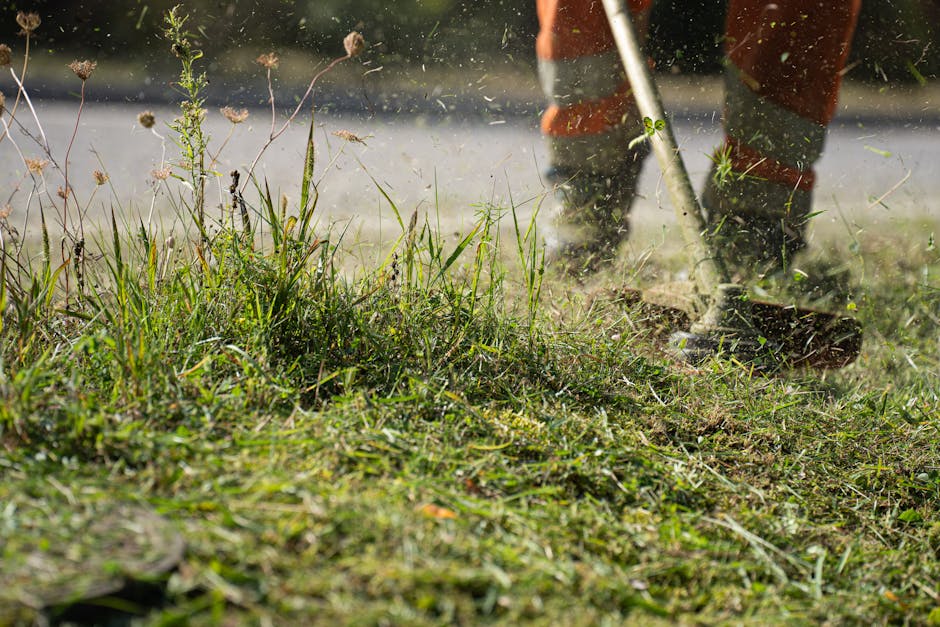
Garden maintenance near ExCeL Royal Docks Silvertown: a practical local guide for tidy, healthy outdoor spaces
If you are looking into Garden maintenance near ExCeL Royal Docks Silvertown, chances are your garden has started asking for a bit more attention than you can comfortably give it. Maybe the lawn is getting patchy, the hedges have gone a little wild, or weeds are turning a neat corner into a weekend project you never quite wanted. That is normal. In a busy part of East London, outdoor spaces can slip quickly, especially with wind, shade, pollution, foot traffic, and the general stop-start rhythm of city living.
This guide is here to help you understand what proper maintenance involves, what to expect from a local service, and how to make sensible decisions without overcomplicating things. We will cover the essentials, common mistakes, useful methods, and the practical details that often get overlooked. A well-kept garden is not just about looking nice, either. It can feel calmer, safer, and easier to enjoy on an ordinary Tuesday afternoon. And yes, that counts.
Table of Contents
- Why Garden maintenance near ExCeL Royal Docks Silvertown Matters
- How Garden maintenance near ExCeL Royal Docks Silvertown Works
- Key Benefits and Practical Advantages
- Who This Is For and When It Makes Sense
- Step-by-Step Guidance
- Expert Tips for Better Results
- Common Mistakes to Avoid
- Tools, Resources and Recommendations
- Law, Compliance, Standards, or Best Practice
- Options, Methods, or Comparison Table
- Case Study or Real-World Example
- Practical Checklist
- Conclusion
- Frequently Asked Questions
Why Garden maintenance near ExCeL Royal Docks Silvertown Matters
Gardens in and around ExCeL Royal Docks and Silvertown often face a few extra pressures that suburban plots might not. Urban wind tunnels, reflected heat from paving, compacted soil, and a limited amount of time from owners can all combine to make growth uneven. One week the lawn looks fine; the next, the edges have vanished, the fence line is grey with moss, and the ivy has started acting like it pays rent.
Regular garden maintenance keeps those small issues from becoming bigger, more expensive jobs. It also protects the structure of the garden itself. Hedges respond better when trimmed correctly and consistently. Lawns recover faster when mown at the right height. Beds stay healthier when weeds are controlled early and soil is topped up with organic matter. It is a bit like keeping a kitchen clean as you cook. Do a little often, and the whole job becomes much easier.
For local homes, flats with shared grounds, rental properties, and small business frontages, maintenance also affects presentation. A neat outdoor space sends the right message. It says someone cares. That matters, whether you are welcoming guests, protecting tenant satisfaction, or just wanting your own patch of green to feel less like a chore.
Expert summary: garden maintenance works best when it is steady, seasonal, and realistic. The goal is not perfection; it is control, health, and a space you can actually enjoy without dreading the next overgrown surprise.
How Garden maintenance near ExCeL Royal Docks Silvertown Works
A proper garden maintenance visit is usually built around the actual state of the garden, not a one-size-fits-all list. A tidy courtyard, a family garden, and a larger landscaped plot all need different levels of attention. In practice, a maintenance plan often starts with a walk-through, a look at problem areas, and a decision about what needs doing now versus what can wait a few weeks.
Typical work may include mowing, edging, hedge trimming, pruning, weed removal, border tidying, leaf clearance, patio cleaning, and checking plant health. In some cases, more specialised support is needed, such as lawn care, hedge trimming in Silvertown, or even tree surgery where overgrown or unsafe branches are involved.
Some gardens need seasonal care only. Others benefit from regular visits through spring and summer, with lighter maintenance through autumn and winter. The right rhythm depends on how fast your garden grows, how much use it gets, and how much time you want to spend on it yourself. To be fair, not everyone wants to spend Saturday morning wrestling a hedge trimmer while the gulls are having their own argument overhead.
There is also a practical side to working locally. Access can matter. So can timing, waste removal, parking, shared pathways, and protecting hard landscaping. A good maintenance approach respects the site as a whole, not just the plants.
Key Benefits and Practical Advantages
Good maintenance gives you more than a neat lawn. It changes how the whole outdoor space functions. The best results are often subtle at first, then suddenly obvious once everything is under control again.
- Healthier planting: regular pruning, feeding, and clearing around roots gives shrubs, borders, and climbers a better chance to thrive.
- Fewer weed problems: early removal is much easier than digging out established invaders later. If you want deeper guidance, see these weed control tips.
- Safer movement around the garden: tidy paths, clear steps, and clean patios reduce slips and trip hazards.
- Better first impressions: especially useful for homes near busy public areas, rental properties, or places where visitors arrive often.
- Less long-term damage: unchecked ivy, dead wood, moss, and overgrowth can affect fences, paving, and walls.
- More usable space: when borders are cut back and corners are managed, the garden feels bigger. Funny how that works.
There is a comfort factor too. A maintained garden feels like a place you own rather than a task you are avoiding. Even small changes, such as crisp edges or cleared borders, can make a tired space feel respectable again. If the garden has been bothering you every time you look out the window, that matters more than people admit.
For people thinking about design as well as upkeep, some maintenance decisions can support a broader garden refresh. For example, adding structure with fast-growing hedges or layering planting with ground cover plants can reduce the amount of bare soil and slow weed growth over time.
Who This Is For and When It Makes Sense
Garden maintenance near ExCeL Royal Docks Silvertown is useful for more people than you might think. It is not only for large gardens or homeowners with spare time. In fact, many of the most common clients have fairly ordinary needs: a compact city garden, a front plot that has become untidy, or a shared space that needs regular attention to stay welcoming.
This service makes sense if:
- you do not have time for routine upkeep;
- your garden keeps getting away from you between seasons;
- you want the space to look good without doing the heavy lifting yourself;
- you are preparing a property for sale, rental, or new tenants;
- you manage a business frontage or hospitality outdoor area;
- you need help with regular jobs such as mowing, pruning, and weed control;
- you have plants, hedges, or trees that need more than a casual trim.
It is also useful if you already like gardening but want professional backup for the tougher parts. Plenty of people enjoy planting herbs or pots, then quietly dread the hedge line, the lawn edges, or the ivy that suddenly appears where it should not. Fair enough, really.
Families often want maintenance to keep the garden safer for children and pets. If that is your situation, you may also find the advice in this guide to kid-friendly garden ideas and canine-compatible gardens especially helpful.
Step-by-Step Guidance
If you are planning garden maintenance for the first time, it helps to think in a simple order. Start with the things that create the most immediate improvement, then move into deeper care. That keeps the job manageable and avoids the all-too-common mistake of doing bits and pieces in random order.
- Assess the garden honestly. Look at lawns, beds, hedges, fences, patios, and any problem areas. Note what is overgrown, damaged, or simply messy.
- Prioritise safety and access. Clear paths, steps, and entry points first. If branches are low, roots are exposed, or surfaces are slippery, deal with those early.
- Tackle growth control. Mow the lawn, trim hedges, cut back shrubs, and remove weeds before they spread. For structural work, a dedicated service such as hedge trimming in Silvertown can save time and improve shape.
- Clean hard surfaces. Patios, decking, and paths often need debris removal, algae control, or pressure cleaning to restore a neat finish. Useful support can be found through patio cleaning or decking services.
- Improve soil and planting. Add compost or organic matter where needed, refresh mulch, and check whether plants need feeding or staking.
- Dispose of waste properly. Bagging, composting, or arranged clearance keeps the site tidy and avoids leaving cuttings to rot in piles.
- Set the next visit. Good maintenance is cyclical. If you wait until everything looks bad again, you are back to square one.
In a real-world setting, a maintenance day might begin with a wet hedge, move into leaf clearing, and finish with a quick border tidy once the sun comes out around lunchtime. That sort of flexible, practical work is often what keeps a garden looking cared for without turning it into a dramatic project.
Expert Tips for Better Results
There are a few habits that make a disproportionate difference. You do not need a huge toolkit or a botanical degree. You just need to work with the garden rather than against it.
- Cut little and often. Hedges and shrubs usually respond better to regular shaping than to one huge chop after months of neglect.
- Watch the weather. London weather can be mild one minute and damp the next. Wet pruning or mowing can lead to messy cuts and compacted soil.
- Use the right height on lawns. Cutting too short stresses grass, especially during warm or dry spells. A moderate cut is usually safer.
- Feed soil, not just plants. Healthy soil supports stronger roots, better water retention, and improved growth. If you want a simple explanation, take a look at organic waste and soil health.
- Choose plants that reduce maintenance. Ground covers, climbers, and hardy perennials can help reduce empty soil and constant replanting. Evergreen climbers are especially useful in shaded spots.
- Make the garden easier to enjoy. If a space is inviting, you are more likely to maintain it. A decent seating area, for instance, gives you a reason to go outside and notice what needs attention. Strange but true.
One small but useful habit is to look at the garden from the house every few days. You will notice what stands out immediately: a hedge line that has gone ragged, a corner full of weeds, or a patch of lawn turning pale. Those little visual cues are often more helpful than a full inspection once a month.
If you are building a lower-maintenance layout, related reading such as low-fuss garden ideas and vertical garden ideas can help you think beyond routine cutting and tidying.
Common Mistakes to Avoid
Most garden problems do not start as disasters. They begin as ignored little things. The grass gets a bit long, a shrub gets left for another week, and suddenly the whole space feels like it needs a rescue mission.
- Leaving weeds too long: mature weeds spread seed, root deeply, and become much harder to remove.
- Over-pruning hedges and shrubs: taking too much off at once can leave thin, stressed growth and patchy recovery.
- Ignoring drainage issues: puddles, soft spots, or moss can point to poor drainage, compacted ground, or blocked channels.
- Using blunt or unsuitable tools: ragged cuts heal badly and make plants look untidy.
- Forgetting the hard landscaping: if the patio, fencing, or decking is neglected, the garden can still look tired even when the planting is tidy.
- Trying to do everything at once: fatigue leads to rushed work. Rushed work leads to more work. Annoying, but true.
Another common issue is waiting for ideal conditions that never arrive. If you keep postponing maintenance because the weather is not quite right, the job just grows. Sometimes the best answer is to do the manageable part now and save the trickier bit for later. Not glamorous, but effective.
Tools, Resources and Recommendations
You do not need a van full of equipment for straightforward upkeep, but using the right tools does make the work cleaner and safer. For homeowners who like a hands-on role, a basic set might include secateurs, loppers, shears, a lawn mower, a rake, gloves, a border fork, a kneeler, and a sturdy bag or trug for debris.
For more advanced or irregular tasks, professionals may bring specialist equipment for hedge work, pruning, pressure cleaning, or tree-related jobs. If you are not sure what is sensible to handle yourself, the article on essential garden tools is a practical starting point.
Some useful service pages and guides for this topic include:
- garden maintenance services for ongoing upkeep;
- lawn mowing when the grass has outgrown your patience;
- lawn care for feeding, treatment, and recovery support;
- general gardening services for mixed jobs across the garden;
- tree surgery when branches are unsafe or too large to manage casually.
If your garden includes climbers, it is worth reading about how to deal with ivy properly before it starts working its way under tiles or along fence panels. Ivy looks charming for about five minutes, then it becomes a philosophical problem.
Law, Compliance, Standards, or Best Practice
For most domestic garden maintenance jobs, the biggest concerns are safety, access, property care, and neighbour consideration rather than formal paperwork. That said, there are still sensible best practices to follow. Good providers should work in a way that respects health and safety, avoids unnecessary damage, and disposes of waste responsibly.
If work involves ladders, powered tools, overhead branches, or slippery surfaces, the operator should follow a cautious approach and use appropriate protective equipment. For larger jobs, especially anything involving trees or significant height, it is wise to check whether the work is suitable for routine maintenance or better handled as a specialist task. That is exactly the point where a health and safety policy becomes relevant in practice, even if the job itself looks simple from the pavement.
It is also sensible to understand how a company handles pricing, payment, complaints, and service expectations before committing. Helpful pages include pricing and quotes, payment and security, terms and conditions, and complaints procedure.
For trust and transparency, it is also reassuring to see a business outline its wider standards, such as an about us page, plus supporting policies like insurance and safety and modern slavery statement. Those pages may not sound glamorous, but they matter. A lot.
Options, Methods, or Comparison Table
Choosing the right approach depends on how much work the garden needs, how often it changes, and how hands-on you want to be. Here is a simple comparison to help with decision-making.
| Approach | Best for | Pros | Limitations |
|---|---|---|---|
| DIY basic upkeep | Small, manageable gardens | Low cost, flexible, good for light jobs | Time-consuming, easy to let slide, limited by tools and experience |
| Occasional professional visits | Gardens needing periodic reset | Fast improvement, useful for seasonal work, good balance of cost and convenience | Less ideal if the garden grows quickly between visits |
| Regular maintenance plan | Busy households, rental properties, business frontage, larger gardens | Consistent results, less catch-up work, better long-term control | Ongoing commitment, needs clear expectations |
| Specialist-only support | Trees, heavy hedge work, fencing or landscaping changes | Safer for complex tasks, better finish on technical work | Not necessary for every garden, may be more targeted than general upkeep |
There is no single best method for everyone. A compact courtyard near ExCeL may only need a seasonal tidy and a bit of patio care, while a deeper, plant-heavy garden could benefit from regular attention and a stronger maintenance routine. The right choice is the one that keeps the space usable without becoming a burden.
Case Study or Real-World Example
Consider a typical Silvertown garden behind a modern property: a narrow lawn, two hedge lines, some raised beds, and a paved seating area that never quite stays clean. At first glance it looks fine from indoors. But once you step outside, you notice weeds in the edges, a thin patch in the grass where shade lingers, and a hedge that is beginning to lean outward into the path.
The maintenance approach is straightforward. The lawn is cut to a sensible height, not scalped. The hedge is trimmed back to restore shape and allow light through. Weeds are removed before seeding. The patio is cleaned so the whole space feels brighter underfoot. Then the beds are topped up with compost and a few low-maintenance plants are added where bare soil had been encouraging weeds to return.
Nothing dramatic, really. But the effect is big. The garden suddenly feels like a place someone deliberately uses, rather than a forgotten strip of outdoor space. That change matters to people more than they expect. You hear it all the time: "It just feels better out there now." Simple, but that is the point.
In a slightly different example, a family with children and a dog may need a more practical setup. Clear sightlines, safer paths, sturdy planting, and fewer prickly or messy corners make maintenance simpler and the garden easier to enjoy. The supporting ideas in kid-approved garden ideas and container gardening can help shape that kind of space.
Practical Checklist
Use this checklist before, during, or after a garden maintenance visit. It keeps things focused and helps you spot what needs attention next.
- Check the lawn for long grass, thin patches, moss, or bare spots.
- Inspect hedges and shrubs for uneven growth or blocked paths.
- Remove weeds from borders, paving joints, and fence lines.
- Clear leaves, cuttings, and debris from lawns and patios.
- Look for signs of ivy, self-seeded plants, or invasive spread.
- Review drainage after heavy rain and note any pooling.
- Examine fences, gates, decking, and hard surfaces for damage or grime.
- Refresh mulch, compost, or soil improver where needed.
- Prune dead, damaged, or crossing growth where appropriate.
- Set a realistic next maintenance date before the garden slips again.
If you want to make upkeep easier in the long run, consider small changes that reduce future work. A few evergreen climbers, some ground cover, or a more structured border can make a surprisingly big difference. And less faff, which is always welcome.
Conclusion
Garden maintenance near ExCeL Royal Docks Silvertown is really about making outdoor space work for real life. Not perfect-show-garden life. Real life. The kind where time is limited, weather is inconsistent, and the garden still needs to look decent when you glance outside with a cup of tea. Good maintenance keeps growth under control, protects hard landscaping, supports healthier plants, and makes the whole space feel calmer and more usable.
Whether you need a one-off reset or a regular routine, the smartest approach is the one that matches your garden's actual needs. Start with the jobs that matter most, keep up with seasonal growth, and do not wait until the place feels overwhelming. A tidy garden is easier to enjoy, easier to care for, and, frankly, easier to like. And that is worth a lot.
Get a free quote today and see how much you can save.
If you are ready to take the next step, it is worth reviewing the service details, policies, and quote options so you can choose with confidence. A little planning now can save a lot of effort later, and your garden will thank you for it in its own quiet way.
Frequently Asked Questions
What does garden maintenance near ExCeL Royal Docks Silvertown usually include?
It usually covers lawn mowing, hedge trimming, pruning, weeding, border tidying, leaf clearance, and occasional care for patios, decking, and planting beds. The exact scope depends on the size and condition of the garden.
How often should a garden be maintained in this area?
That depends on the speed of growth and how visible the garden is. Many gardens benefit from regular visits during the growing season, while smaller or slower-growing spaces may only need occasional attention.
Is weekly maintenance necessary?
Not always. Weekly work makes sense for fast-growing, high-visibility, or heavily used gardens, but many domestic spaces do well with fortnightly or seasonal care. It really depends on the site.
Can garden maintenance help with overgrown hedges and ivy?
Yes. Routine care can control hedge shape and stop ivy from spreading too aggressively. If the growth is established or climbing into awkward areas, a more specialised approach may be needed.
What if I only need the garden tidied once?
A one-off tidy-up is often a sensible starting point. It can reset the space, remove the worst of the overgrowth, and make future maintenance far easier to manage.
Do you need different maintenance for lawns and planting beds?
Absolutely. Lawns need mowing, feeding, edging, and sometimes aeration or moss treatment. Beds need weeding, pruning, mulching, and plant-specific care. One method does not fit both well.
Is garden maintenance useful for rental properties?
Very much so. A tidy garden improves presentation, supports tenant satisfaction, and helps properties feel properly cared for. For landlords, it also reduces the risk of the outside space becoming a problem between tenancies.
What should I ask before booking garden maintenance?
Ask what is included, how waste is handled, whether specialist work is separate, what the timing looks like, and how pricing is structured. Clear expectations make the whole process easier.
Can maintenance include patio or decking cleaning?
Yes, if the provider offers it. Hard surface cleaning is often one of the quickest ways to make the whole garden look fresher. See the related services for patio cleaning and decking services.
What are the biggest signs that my garden needs professional help?
Common signs include repeated weed growth, hedges that have lost shape, a lawn that looks patchy or exhausted, blocked paths, invasive plants, and a general sense that the space is becoming hard to manage alone.
How do I keep maintenance costs sensible?
Keep on top of small jobs before they become large ones, choose practical planting, and schedule work before the garden is badly overgrown. It is usually cheaper to maintain a garden steadily than to rescue it repeatedly.
Where can I find more information before booking?
You can review the company's service pages, policy pages, and contact page to get a clearer picture of scope, expectations, and next steps. That usually gives you a better feel for whether the service is right for you.